
Home Privacy and Security
Boost Your Property’s Protection in Style
Choosing the right fence for your home in Hamilton and Southern Ontario can make a big difference. A good fence adds privacy and keeps your family safe. It also makes your yard look nice.
The type of fence you pick depends on what you need.
Do you want to keep people from seeing into your yard? Or do you need to keep pets in? Maybe you want to make your home safer. There are many kinds of fences that can help with these things and you have lots of options when it comes to professional Hamilton fence companies. Let’s look at three types that might work for you.
1) Wooden Privacy Fence
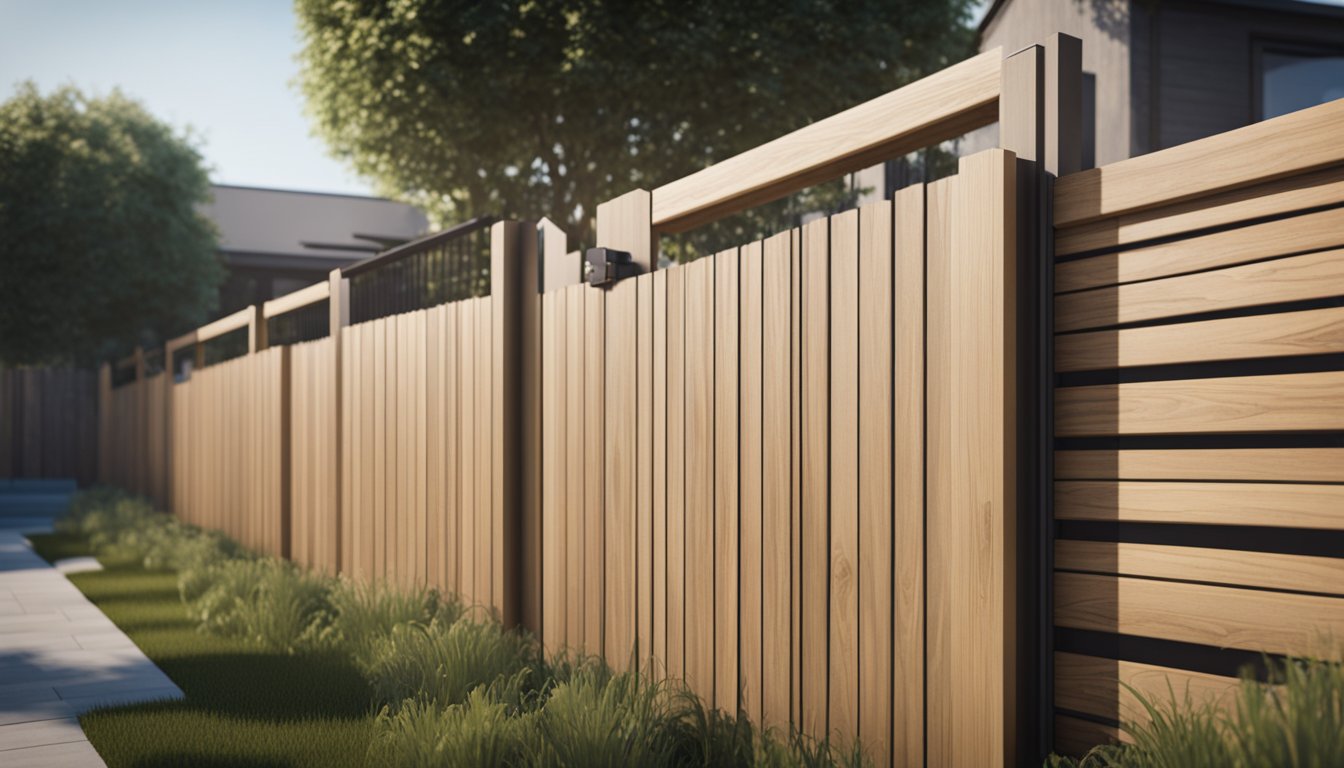
A wooden privacy fence can be a great choice for your home. It offers both privacy and security while adding a natural look to your property.
Wood fences come in many styles. You can choose from picket, side-by-side, or other designs. Each style has its own unique look and benefits.
Pressure treated wood is a popular option for fences. It resists rot and insects, helping your fence last longer. This type of wood is treated with chemicals to protect it from the elements.
Another choice is composite materials. These combine wood fibres with plastic. They look like wood but need less upkeep. Composite fences don’t rot or splinter like regular wood can.
When picking a wood fence, think about how much privacy you want. Side-by-side fences offer the most privacy. They have boards placed right next to each other with no gaps.
The height of your fence matters too. Most privacy fences are 6 to 8 feet tall. This height blocks views from the street and neighbours’ windows.
Remember to check local rules before building. Some areas have limits on fence height and style. You might need a permit to put up a new fence.
A wooden privacy fence can last 10 to 30 years with proper care. Regular cleaning and sealing will help it stay in good shape. You’ll also need to replace any damaged boards over time.
2) Wrought Iron Fencing
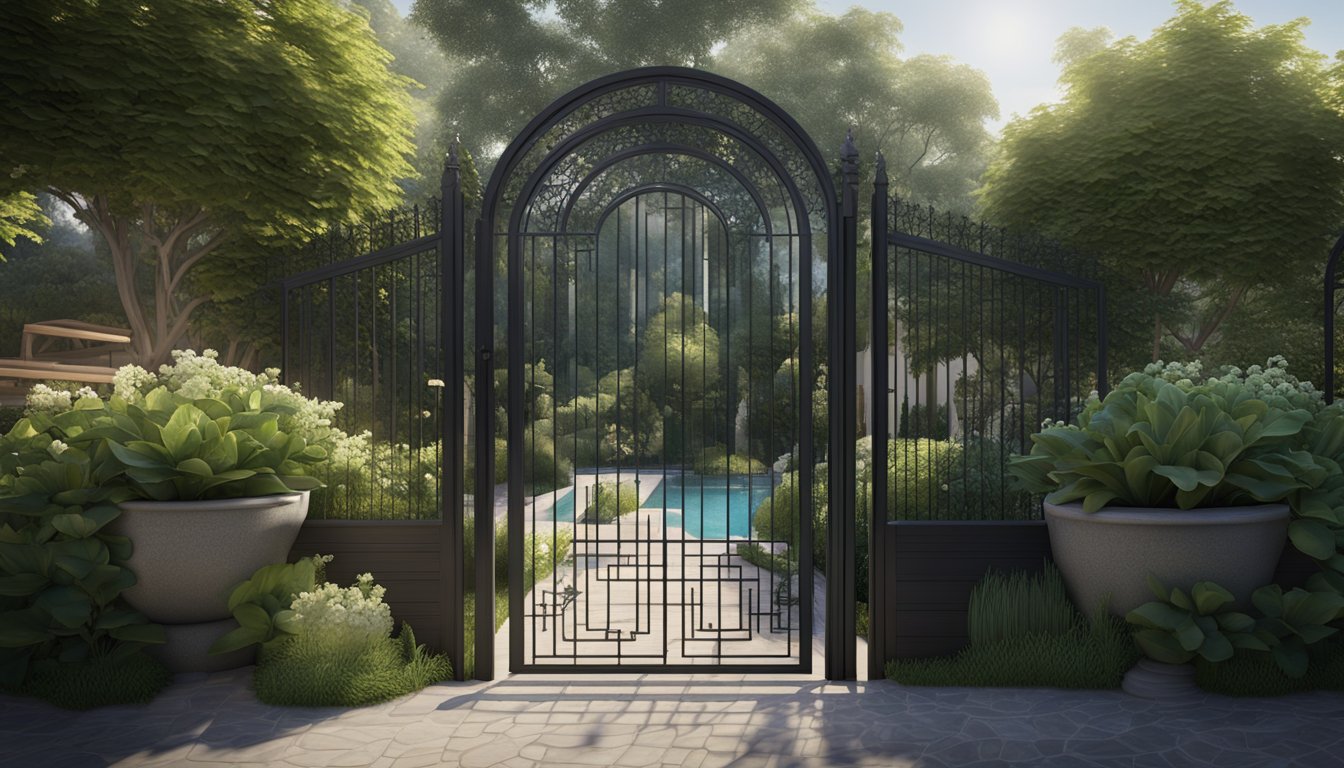
Wrought iron fencing can add a touch of elegance to your home while providing excellent security. You’ll find that this type of fencing is known for its strength and durability, making it a great choice for protecting your property.
One of the main benefits of wrought iron fencing is its versatility in design. You can choose from various styles, including spearhead or ball top finishes, to match your home’s aesthetic.
When it comes to security, wrought iron fences are hard to beat. Their sturdy construction makes them difficult to climb or break through, giving you peace of mind.
Gates are an important part of any fence system. With wrought iron, you can have custom-designed gates that complement your fence and provide secure entry points to your property.
Maintenance is something to consider with wrought iron fencing. You’ll need to keep an eye out for rust and may need to repaint the fence periodically to keep it looking its best.
While wrought iron fencing can be more expensive than other options, many homeowners find the investment worthwhile for its longevity and aesthetic appeal.
Remember to check local regulations before installing any fence. You may need permits or have to follow specific guidelines for fence height and placement.
3) Chain Link Fencing
Chain link fences are a popular choice for homes. They offer security and durability at an affordable price. You might like this option if you want a clear view of your surroundings.
These fences come in different types. You can choose from galvanized steel, vinyl-coated, or aluminum. Each has its own benefits. Galvanized steel is strong and rust-resistant. Vinyl-coated adds color and extra protection. Aluminum is lightweight and won’t rust.
When picking a chain link fence, think about its main purpose. Do you need it for security, to keep pets in, or to mark your property line? Your answer will help you choose the right height and gauge.
Chain link fences are easy to maintain. They don’t need painting or staining. A quick wash now and then keeps them looking good. This saves you time and money in the long run.
One thing to keep in mind is privacy. Chain link fences don’t offer much on their own. But you can add slats or climbing plants if you want more cover. This way, you get both security and privacy.
Remember to check your local rules before installing. Some areas have rules about fence height or style. It’s best to know these before you start your project.
Understanding Fence Materials
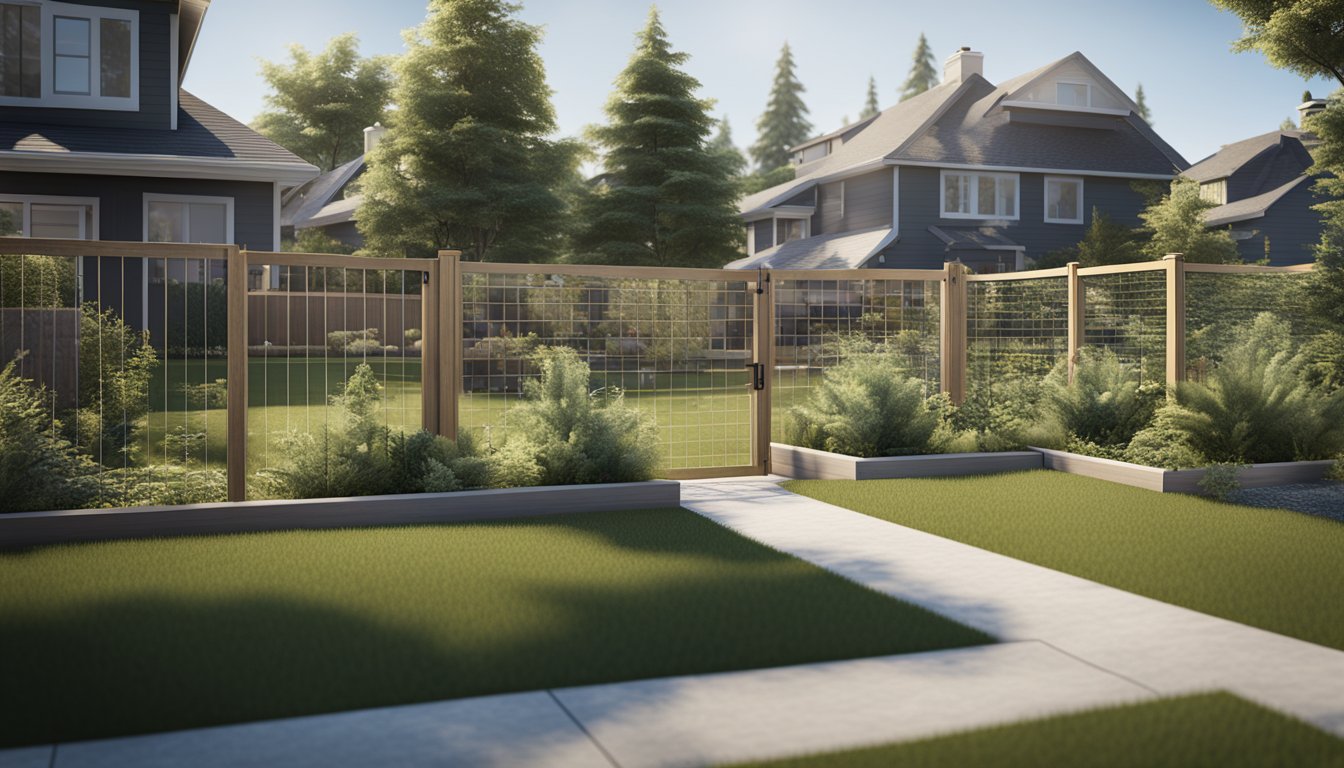
Choosing the right fence material is key for your home’s privacy and security. Each option has unique benefits and drawbacks to consider.
Wood Fencing
Wood fences offer a classic, natural look. They come in many styles like picket, board-on-board, and stockade. Pine and cedar are popular choices.
Wood fences can be painted or stained to match your home. They’re fairly easy to install and repair.
On the downside, wood needs regular maintenance. You’ll need to repaint or restain every few years. Wood can also rot, warp, or attract pests over time.
Costs vary based on wood type and style. Wood fences tend to be mid-range in price compared to other materials.
Wrought Iron Fencing
Wrought iron fences are strong and long-lasting. They have an elegant look that suits many home styles.
These fences offer good security due to their strength. You can see through them, which some prefer for front yards.
Iron fences need little upkeep besides occasional painting. They won’t rot or warp like wood.
The main drawback is cost. Wrought iron is one of the pricier fence options. It also provides less privacy than solid fences.
Chain Link Fencing
Chain link is a budget-friendly fence option. It’s durable and needs little maintenance.
This type of fence is see-through, which can be good or bad depending on your needs. It works well for keeping pets in the yard.
Chain link fences are easy to install. You can add slats or climbing plants for more privacy.
The downsides? Chain link isn’t the most attractive option. It also doesn’t boost home value like some other fence types.
Chain link comes in different gauges. Thicker gauges cost more but last longer.
Factors to Consider for Privacy and Security
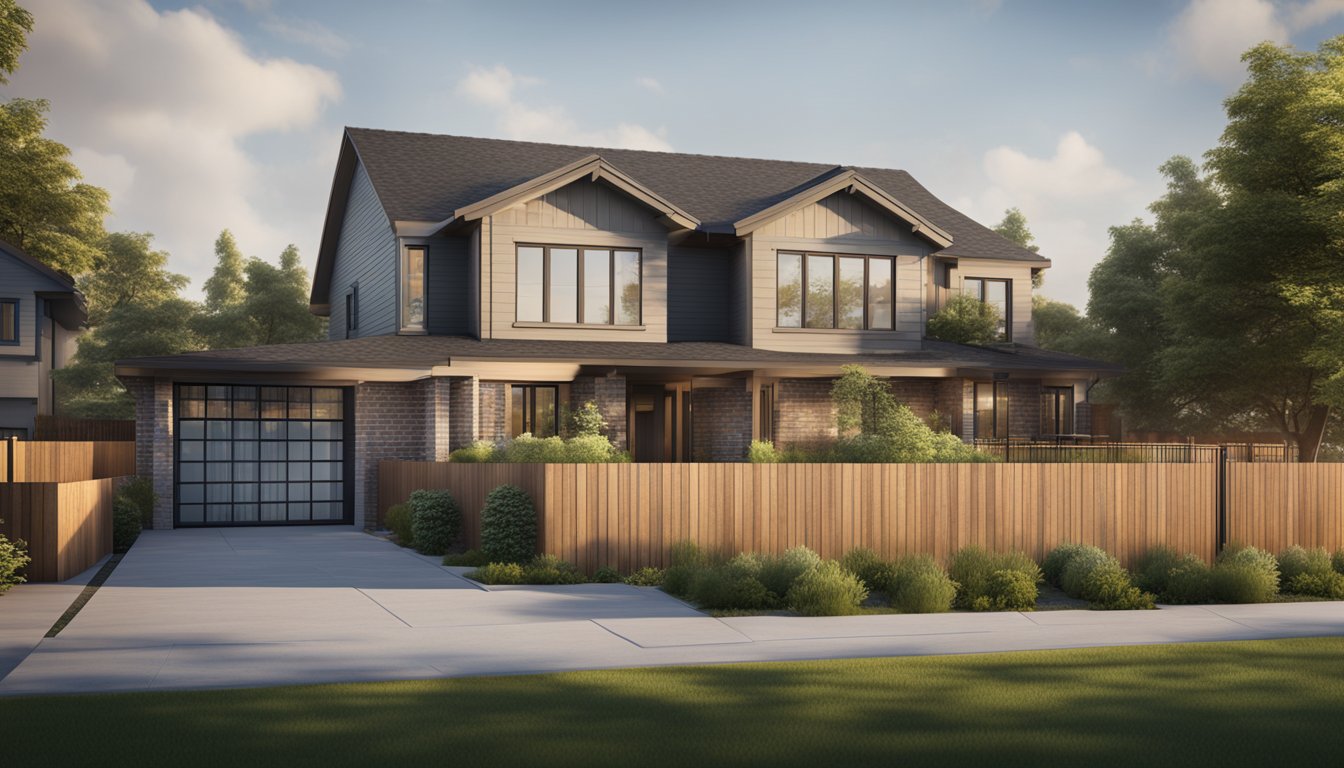
When choosing a fence for your home, you need to think about a few key things. These factors will help you pick the right fence to keep your property safe and private.
Height Requirements
The height of your fence plays a big role in both privacy and security. Most residential fences range from 4 to 8 feet tall. For privacy, you’ll want a fence that’s at least 6 feet high. This blocks the view from outside and gives you more freedom in your yard.
For security, taller is often better. An 8-foot fence is harder to climb over. Some areas allow fences up to 10 feet high for extra protection.
Remember, taller fences cost more and may block views or sunlight. Think about what you really need for your home.
Maintenance Needs
Different fence types need different levels of care. This affects how much time and money you’ll spend on upkeep.
Wood fences look nice but need regular staining or painting. They can also rot or warp over time. Vinyl fences are easy to clean and don’t need painting. But they can crack in very cold weather.
Metal fences like wrought iron are strong but may rust. They need painting to stay in good shape. Chain link fences need little care but don’t offer much privacy.
Think about how much work you’re willing to do. Low-maintenance options might cost more up front but save time later.
Local Regulations
Before you build any fence, check your local rules. Many places have laws about fences. These rules can cover things like how tall your fence can be and what it can look like.
Some neighborhoods have their own rules too. If you live in a place with a homeowners’ association (HOA), they might have extra guidelines.
You might need a permit to build your fence. This is more likely if your fence will be very tall or near a property line. Check with your local building department to find out what you need.
Following these rules helps avoid problems later. It’s better to know the rules before you start building.
Contractors to Consider
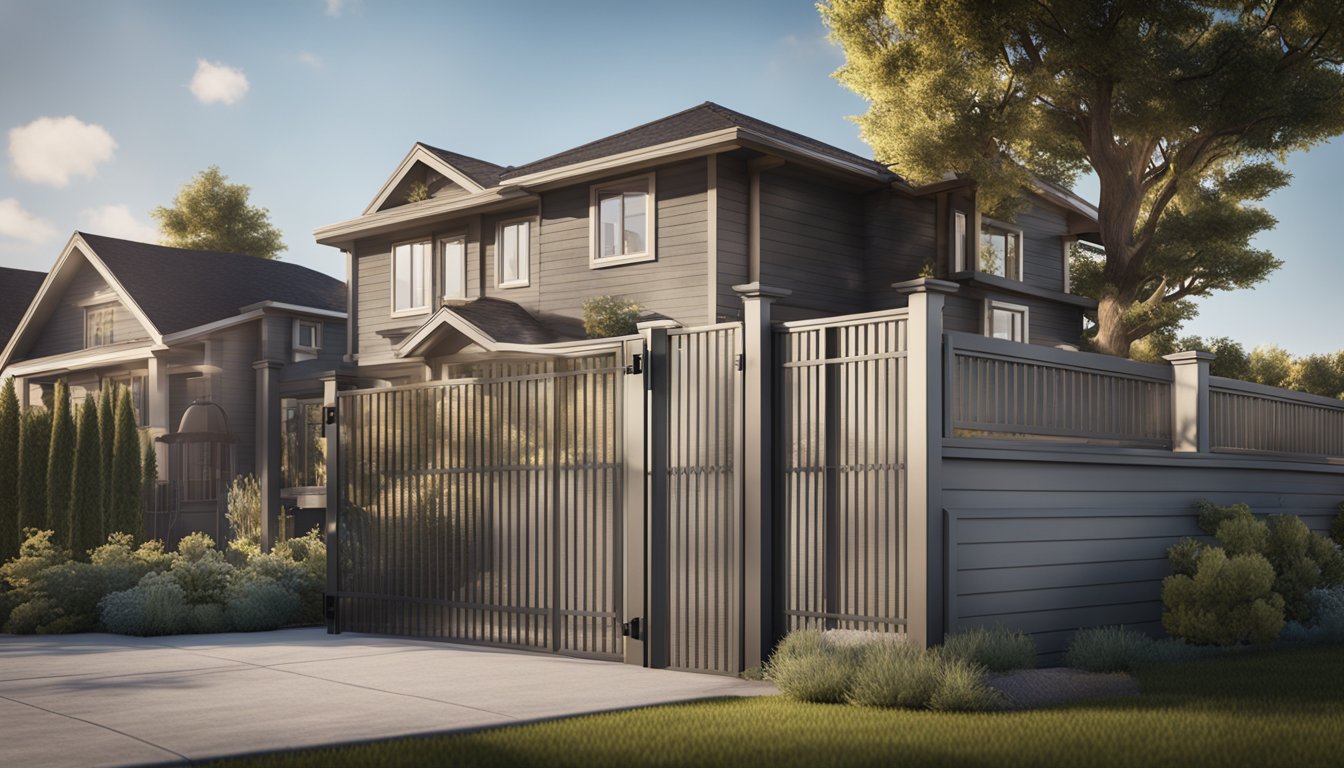
When looking for a fence contractor, you’ll want to find someone like JR Fencing in Southern Ontario. Start by asking friends and family for recommendations. Their experiences can give you valuable insights.
You can also check online review sites. Look for contractors with high ratings and positive feedback. Pay attention to comments about quality of work and customer service.
Ask potential contractors about their experience with your chosen fence type. Some may specialize in certain materials or styles. This expertise can lead to better results for your project.
Choosing the right fence is important, but so is picking the right installer. Take your time to find a contractor who understands your needs and can deliver quality work.
Remember to get everything in writing before work begins. A clear contract protects both you and the contractor. It should outline all details of the project, including payment terms and schedules.